
Harnessing Liquefied CO₂ for Industry, Innovation, and Sustainability
- Feb 15, 2025
- 3 min read
Updated: Oct 22, 2025
In the United Kingdom, WH2025 Ltd are generating liquefied carbon dioxide (CO₂) critical to overcome supply and demand issues, within industry carbon dioxide (CO₂) plays a pivotal role in bolstering the manufacturing sector. Its applications span across various industries, including food and beverage, healthcare, and construction, making it indispensable for modern manufacturing processes.
Food and Beverage Industry

The focus of the Aventurine Climate brand is the food and beverage sector, which heavily relies on liquefied carbon dioxide (CO₂) for multiple applications. It is used in carbonating drinks, preserving perishable goods, and creating dry ice for transportation. The demand for carbonated beverages has been a significant driver for the liquefied carbon dioxide (CO₂) market in Europe, with the UK being a major contributor. The Europe Liquid Carbon Dioxide (CO₂) market stood at over 4 million tonnes in 2024 and is expected to grow at a CAGR of 4.58% during the forecast period until 2035.
Healthcare Sector

In healthcare, medical-grade carbon dioxide (CO₂) is essential for various surgical procedures. Surgeons use CO₂ to stabilise body cavities during surgeries such as endoscopy, laparoscopy, and arthroscopy, providing clear visibility of the surgical area. The gases inert nature makes it ideal for general-purpose blanketing and packing in pharmaceutical production. Additionally, in the pharmaceutical industry, CO₂ is employed as a supercritical fluid, essential for organic compound extraction and the production of very tiny particles of active medicinal substances.
Construction and Carbon Capture Initiatives

The construction industry is exploring innovative ways to utilise liquefied CO₂. A notable example is a partnership where demolished and recycled concrete is infused with liquefied CO₂. This process not only strengthens the concrete but also sequesters CO₂, contributing to carbon reduction efforts. Such initiatives highlight the potential of liquefied CO₂ in promoting sustainable construction practices.
Carbon Capture and Storage (CCS) Projects

The UK is at the forefront of implementing Carbon Capture and Storage (CCS) projects, aiming to reduce industrial CO₂ emissions. The Northern Endurance Partnership (NEP), for instance, has launched the UK's first CCS project, targeting the permanent storage of up to 4 million tonnes of CO₂ annually in its initial phase. This project will serve major carbon capture initiatives in the Teesside region, underscoring the critical role of liquefied CO₂ in environmental sustainability.
Verdant Global Limited

Underpinning the centric circular economy of carbon removal, carbon capture and carbon utilisation, UK based organisation Verdant Carbon Zero www.verdantcarbonzero.co.uk led by CEO Christopher Wood forge ahead with tacking climate change and the holistic issues created by greenhouse emissions. Verdant Global play a pivotal part in the management and reduction of emission-based impact, and their groups forward thinking and take action approach over talking about the subject is prominent and commendable.
Industrial Gas Manufacturing
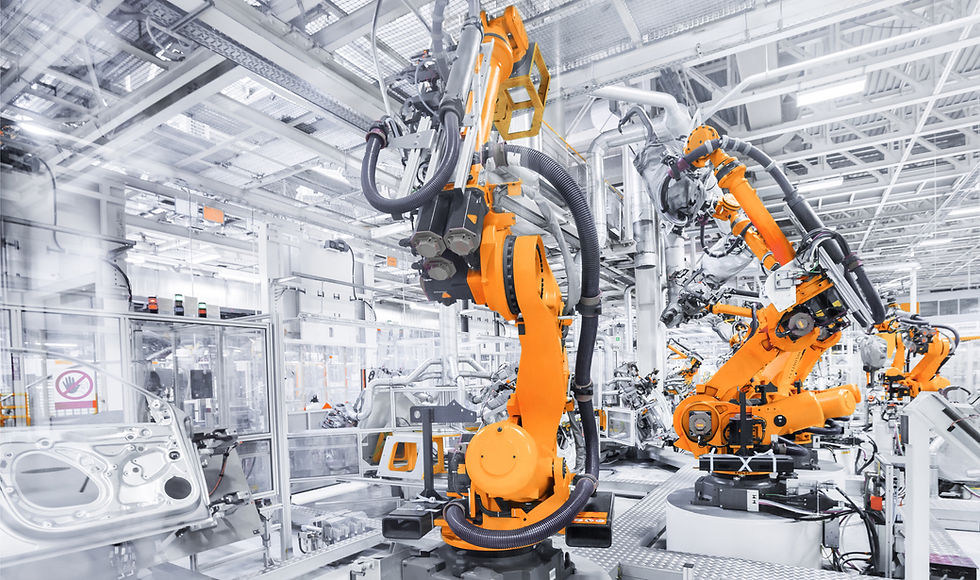
The industrial gas manufacturing sector in the UK, which includes the production of liquefied CO₂, has shown resilience and growth. Revenue is projected to reach £1.4 billion in 2024-25, with a compound annual growth rate of 0.7% over the five years leading up to 2024-25. This growth is indicative of the increasing demand for industrial gases across various manufacturing processes.
Project Opportunities
Aventurine Climate (WH2025 Ltd) is advancing a portfolio of Combined Heat and Power (CHP) facilities with integrated Carbon Capture and Utilisation (CCU) systems. These projects are designed to produce clean, dispatchable energy while capturing and repurposing CO₂ generated during the process. The captured carbon is transformed into a valuable industrial resource, supporting manufacturers and contributing to a circular carbon economy.
By combining low-carbon energy generation with carbon capture, Aventurine Climate’s projects help protect the environment, support businesses, and strengthen the UK’s transition toward sustainable energy. Each development also contributes to job creation, technological advancement, and regional economic growth.
Aventurine Climate is addressing the growing demand for both energy and CO₂ supply in a way that balances sustainability with commercial viability. Through scalable, future-ready solutions, the company is helping secure the UK’s industrial resilience while accelerating the global shift toward a low-carbon economy.
Conclusion
Aventurine Climate and WH2025 Ltd are committed to building a cleaner, more efficient energy future. By integrating energy production with carbon utilisation, these projects deliver environmental, economic, and societal value, proving that innovation in energy can benefit both people and the planet.


